The Essentials of Feeding Silkworms: Fresh Mulberry, Chow, and Daily Care
Raising Bombyx mori silkworms at home is one of those quiet, satisfying projects that connects you to a process humans have refined for thousands of years. I started my first batch in a spare bedroom, with a stack of silkworm rearing trays and a small mulberry tree in the backyard. Within a few weeks I learned that the difference between a healthy batch and a struggling one almost always comes down to how you handle feeding silkworms. It sounds simple - put leaves in, watch them eat - but the details matter more than most beginners expect.
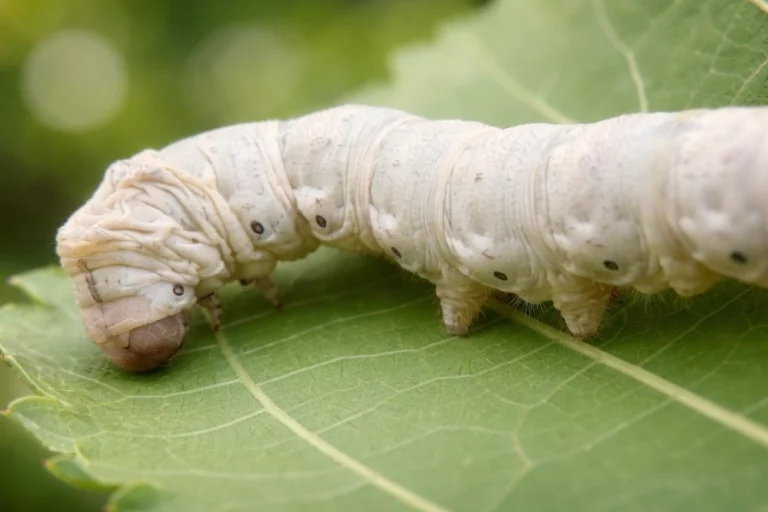
Silkworms are picky eaters. Their entire digestive system is tuned to one main food source: mulberry leaves, specifically those from the white mulberry tree, Morus alba. You can offer them other types of mulberry, but Morus alba is the gold standard in sericulture. The leaves are soft, high in moisture, and contain the right balance of nutrients for Bombyx mori larvae. If you have access to a healthy tree, you are already most of the way there. If not, you will need to plan ahead, because the feeding schedule depends entirely on having a steady supply of fresh mulberry.
Fresh Mulberry Is the Foundation
When I first started, I assumed any green leaf would do. That was a mistake. Silkworm larva will refuse leaves that are too old, too dry, or from the wrong species. They need leaves picked fresh that same day. Once you chop mulberry leaves - and "chop mulberry" means cutting them into strips or small pieces for young larvae - you must feed them within a few hours. After that the leaf starts to wilt, moisture drops, and the larvae lose interest. I have watched entire trays of second-instar silkworms go off their feed because I gave them leaves picked the evening before.
How you prepare the leaves changes as the larvae grow. For newly hatched silkworms, you chop mulberry into very fine pieces, almost a confetti. The tiny larvae cannot bite through a whole leaf edge. By the third instar they can handle whole leaves, and by the fifth instar they will demolish entire branches if you let them. The key is to match the leaf size to the instar. Too large and the younger ones starve. Too small and the older ones waste energy searching for more food.
Silkworm Chow as a Backup
Not everyone lives near a mulberry tree. That is where silkworm chow comes in. Silkworm chow is a processed food made from mulberry leaf powder, water, and a few stabilizers. It comes as a dry mix that you rehydrate and serve in cubes or slices. I keep a bag in the fridge for emergencies - frost, travel, or a surprise molt that leaves me short on leaves. The larvae accept it, though growth is often a bit slower than on fresh mulberry.
There is a trade-off. Silkworm chow is convenient, but it does not provide the same moisture content as fresh leaves. You must monitor humidity in the silkworm housing more closely when using chow. Too dry and the larvae desiccate. Too wet and mold sets in. I have lost a tray to mold because I sealed the container too tightly after feeding chow. The lesson: ventilation matters. Use silkworm rearing trays with airflow, and clean out uneaten chow daily.
Building a Feeding Schedule
Feeding silkworms is not a one-size-fits-all routine. The frequency changes with each silkworm growth stage. Here is the pattern I have settled on after several seasons:
- First and second instar: feed three to four times per day with finely chopped fresh mulberry. Keep leaves moist but not wet.
- Third and fourth instar: feed two to three times per day. Whole leaves work now. Remove wilted leftovers before adding new ones.
- Fifth instar: feed constantly. They eat almost nonstop. I check trays morning, noon, and evening and add fresh mulberry each time.
During molting, the larvae stop eating entirely. Do not panic. They need to shed their skin, and feeding silkworms during that window only leads to moldy bedding. Wait until you see the new head capsule - it will be noticeably larger and lighter in color - then resume feeding. The entire molt takes about 24 hours for young instars and up to 48 hours for later ones.
Housing and Bedding Matter Too
Silkworm housing affects how well they eat. I use shallow silkworm rearing trays with smooth sides so the larvae cannot crawl out. The bedding - usually a layer of newspaper or a dedicated silkworm bedding sheet - must be changed every day or two. Wet, soiled bedding breeds bacteria and leads to silkworm diseases such as grasserie or flacherie. I have seen a whole tray go limp in 48 hours because I skipped a cleaning. Now I keep a strict schedule: remove frass and old leaves every morning, add fresh mulberry right after.
Temperature also plays a role. Silkworms eat most actively between 22 and 28 degrees Celsius. Below 20 degrees they slow down, and above 30 degrees they become stressed. I keep my rearing room around 25 degrees, with a small humidifier running when the air is dry. The combination of warmth and humidity keeps the leaves from wilting too fast and keeps the larvae feeding steadily.
From Egg to Cocoon: Feeding Through the Life Cycle
Your feeding silkworms routine starts the day the silkworm eggs hatch. The newly emerged larvae are tiny, dark, and hungry. They need food within hours. I always have fresh mulberry ready before the eggs darken. Once the larvae reach the fifth instar, they eat with an intensity that surprises most newcomers. A tray of 200 fifth-instar larvae can strip a dozen large leaves in a few hours. During that phase I harvest mulberry twice a day, sometimes three times.
After about a week in the fifth instar, the larvae stop eating, become restless, and start spinning. That is the transition from silkworm larva to silkworm pupa. They will not eat again. They climb upward, looking for a place to attach. I provide small cardboard tubes or crumpled paper for them to climb into. Once the cocoons are formed, feeding is over for that generation. The entire silkworm lifespan from egg to moth is roughly six to eight weeks, with the bulk of the feeding happening in the larval stages.
Recognizing Problems Early
Silkworm diseases often show up first as changes in feeding behavior. If a tray of larvae stops eating suddenly, check the leaves. Are they wilted? Are they from a tree that was sprayed with pesticide? I once lost a batch because a neighbor treated their tree and the residue drifted onto my mulberry. The larvae refused the leaves, then died within a day. Other times, poor feeding indicates a bacterial infection. The larvae become sluggish, stop moving to the new leaves, and the body darkens. Remove affected larvae immediately and clean the tray thoroughly.
Feeding silkworms is the single most important factor in keeping them healthy. Get the leaves right, keep the schedule consistent, and clean the trays, and you will avoid most problems. The rest is observation - watching the instars advance, the molting cycles, and the final spin-up to cocoons. It is a rhythm, and once you find it, it becomes second nature.